
Quick answer: To load a dumpster well, put heavy, flat items on the bottom, break down furniture and boxes, fill gaps with smaller debris and bags, and keep everything level with the top of the walls. In a dump trailer, spread heavy material evenly from front to back instead of piling it in one spot. Do that and you'll fit more in, stay under the weight limit, and avoid paying for a second haul.
Most people treat a dumpster like a giant trash can: toss things in and hope they fit. That works until you're two-thirds through a garage cleanout and the trailer is "full" of air pockets and a single upright recliner.
A few minutes of planning changes that. Here's how we tell customers around New Port Richey, Holiday, and the rest of Pasco County to load their trailers.
Before You Start: Plan the Load
Know your size and weight limit
Every Lupo flat rate includes delivery, pickup, and disposal up to a weight limit. Volume and weight both matter.
| Size | Dimensions | Holds about | Weight included | Flat price |
|---|---|---|---|---|
| 10-yard | 12' L × 8' W × 3.5' H | 3 pickup-truck loads | 2 tons | $325 |
| 15-yard | 14' L × 8' W × 4' H | 4–5 pickup-truck loads | 3 tons | $400 |
| 20-yard | 16' L × 8' W × 5' H | 6–7 pickup-truck loads | 4 tons | $500 |
Light, bulky stuff like furniture and boxes fills space before it hits the weight limit. Heavy, dense stuff like shingles, tile, concrete, and wet yard debris hits the weight limit before it fills space. If your project is mostly heavy material, call us before you book so we can help you pick the right size. Our dumpster size guide goes deeper on this.
Stage your debris
If you can, sort things into piles before the trailer arrives:
- Heavy and flat: drywall, plywood, doors, flooring, cabinet panels
- Bulky: furniture, mattresses, appliances you're allowed to toss
- Small and loose: bags of trash, toys, scrap wood, clothing
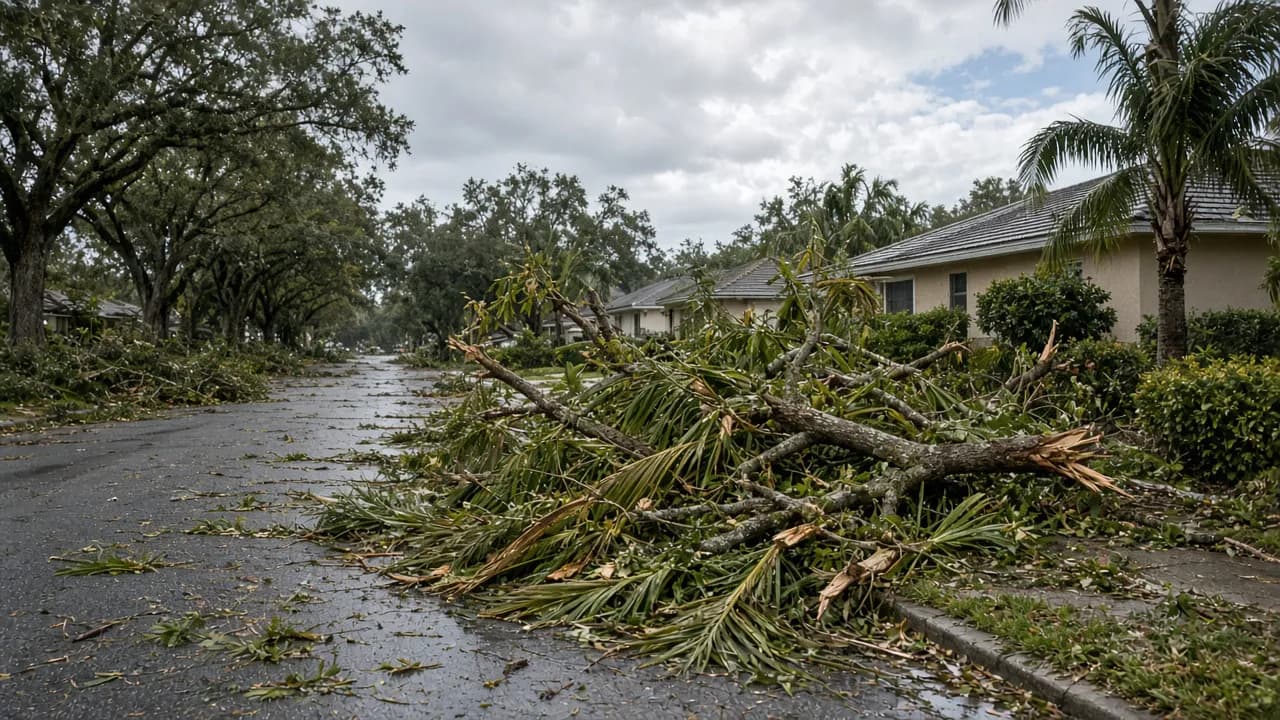
- Yard debris: branches, palm fronds, leaves
Staging means you can load in the right order instead of whatever's closest.
How to Load a Dumpster, Step by Step
1. Heavy, flat items go in first
Start with the heaviest and flattest material. Lay drywall sheets, plywood, old doors, and flooring flat on the floor of the trailer. This builds a level base and keeps the weight low, which makes the trailer more stable on the road.
2. Break down everything you can
Air is the enemy of a well-packed dumpster. Before anything bulky goes in:
- Take the legs off tables and chairs.
- Remove cushions from couches and stack them separately.
- Unscrew bed frames and dressers into flat panels where you can.
- Flatten every cardboard box.
- Cut long branches and lumber into shorter pieces.
A dresser broken into panels takes a fraction of the space of a whole one.
3. Load bulky items next, tightly together
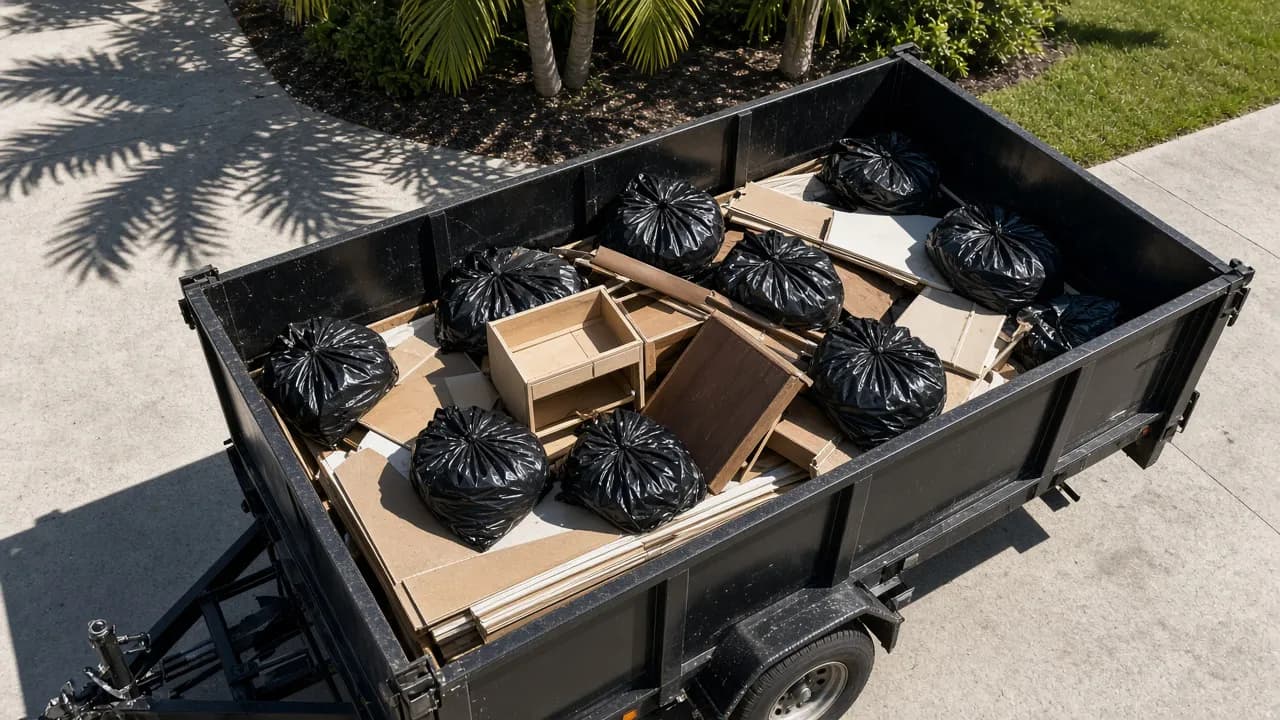
Once you have a flat base, add the bulky things. Push them tight against the walls and against each other. Put the largest items in first and fit medium ones around them. If something has an open cavity, like a cabinet or a drawer frame, fill it with smaller debris.
4. Fill every gap
Now use your small, loose items and bags of trash to fill the spaces between bulky pieces. Toss them in the corners and gaps rather than in a pile on top. This is where most of the "free" space in a dumpster is hiding.
5. Finish with light material on top
Bagged trash, cushions, and yard debris like palm fronds make good top layers. They're light and they fill in the uneven surface.
6. Keep it level with the top
This is the one rule we can't bend. Nothing should stick up above the walls or hang over the sides. An overfilled trailer can drop debris on the road, which is dangerous for other drivers and can't be hauled safely. If you've run out of room, call us about a second load instead of stacking higher.
Distributing Weight in a Dump Trailer
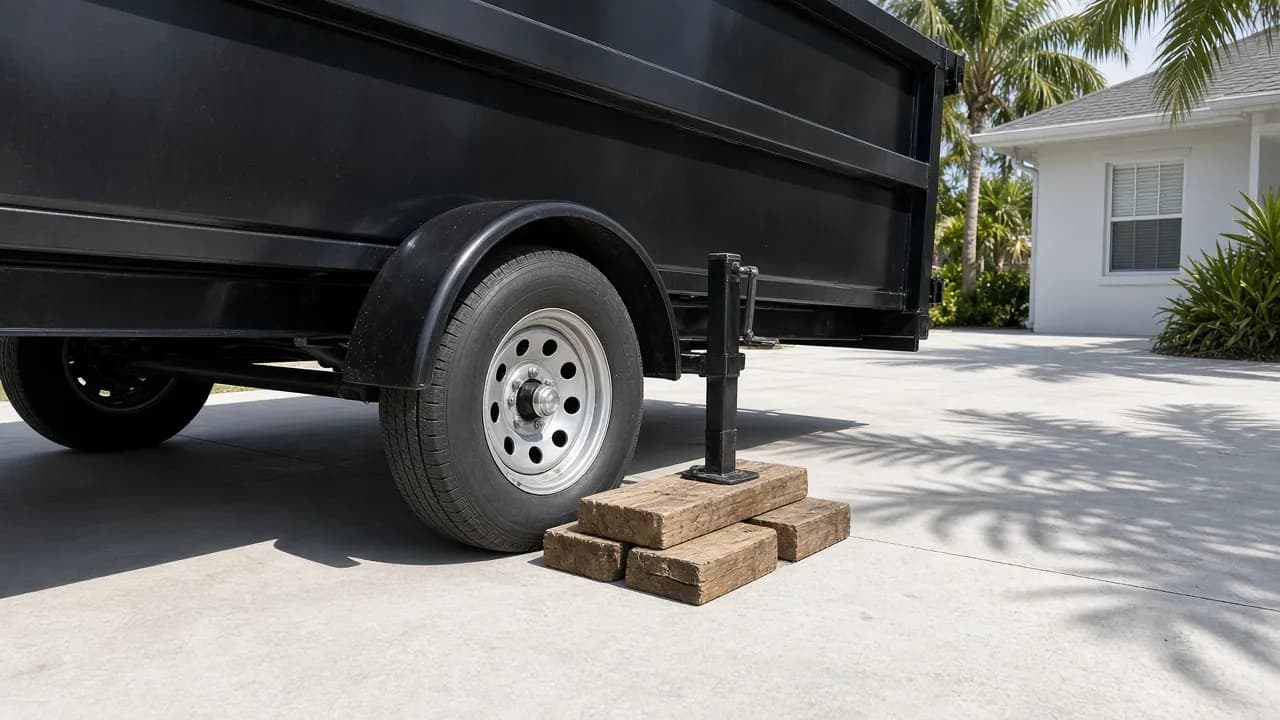
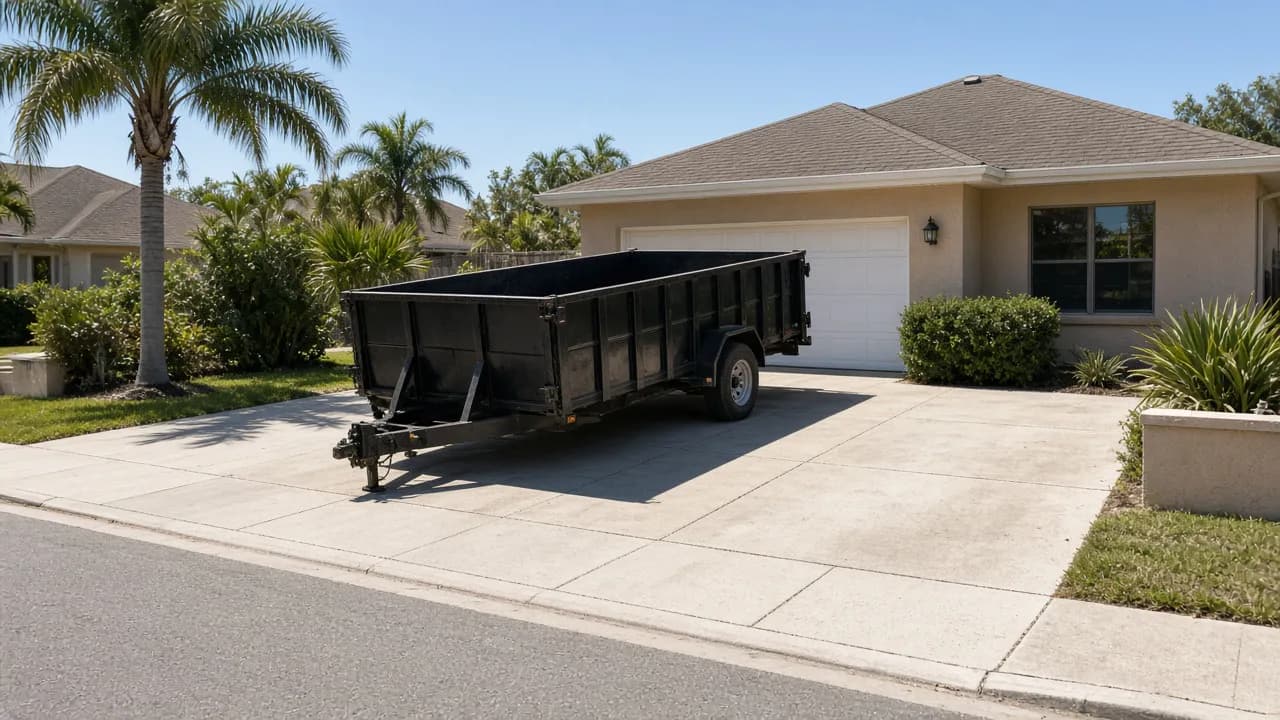
Lupo dumpsters are dump trailers, which means they're towed on wheels instead of dropped on the ground like a traditional roll-off. That changes how you should think about weight.
- Spread heavy material evenly from front to back. Don't pile all the concrete or shingles at the back gate or crammed against the front wall.
- Balance side to side, too. A trailer that's heavy on one side tows poorly.
- Mix heavy and light. If you have a few heavy items, spread them across the floor instead of stacking them in one corner.
Balanced loads are safer to tow and easier to dump at the disposal site.
Common Loading Mistakes
- Tossing furniture in whole. A full couch can take up a big chunk of a 10-yard trailer.
- Loading the light stuff first. Bags on the bottom get crushed under heavier debris, and you lose the flat base.
- Letting it get rained on. Florida afternoon storms soak cardboard, mattresses, and yard debris, and wet debris weighs more. Throw a tarp over the trailer when you're done for the day.
- Throwing in heavy debris without checking. A few wheelbarrows of concrete or tile can use up a lot of your weight allowance. Ask before you load it.
- Blocking the gate. Leave the back gate clear until you're done so you can walk material in.
What Not to Put in a Dumpster
Some things can't go in our trailers at all:
- Hazardous chemicals and solvents
- Wet paint
- Tires
- Batteries and propane tanks
- Medical waste
For old paint, pool chemicals, and other household hazardous waste, check with your county for drop-off options. Pasco County and its neighbors each run their own programs, so look up the one where you live.
If you have bulky items you'd rather not lift yourself, like old appliances, mattresses, or a heavy sleeper sofa, our junk removal team can load them for you. Junk removal is priced per job after you send a description or photos.
Safety Tips While Loading
- Wear work gloves and closed-toe shoes. Nails, broken glass, and splinters are common.
- Lift with your legs, and get a second person for anything heavy.
- Use the back gate to walk items in rather than lifting over the side.
- Hydrate. A summer cleanout in Pasco County gets hot fast, so load early in the morning when you can.
- Keep kids and pets away from the trailer while you work.
Ready to Rent?
A well-loaded dumpster saves you money and hassle. Call or text (727) 317-6717 to talk through your project, or compare sizes on our pricing page. We deliver throughout New Port Richey, Holiday, and the rest of Tampa Bay.
Frequently Asked Questions
What should go in a dumpster first?
Heavy, flat items go in first: drywall, plywood, flooring, doors, and broken-down furniture panels. They make a level base so everything else stacks on top without wasted space.
Can I fill a dumpster above the top?
No. Keep the load level with the top of the walls. Anything sticking up or hanging over the sides can fall off on the road, and we can't haul an overloaded trailer safely.
How much weight can I put in a Lupo dumpster?
Each flat rate includes disposal up to a weight limit: 2 tons in the 10-yard ($325), 3 tons in the 15-yard ($400), and 4 tons in the 20-yard ($500). Heavy debris like shingles, tile, and concrete fills the weight allowance fast, so ask us before you load it.
What can't go in a dumpster?
Hazardous chemicals and solvents, wet paint, tires, batteries and propane tanks, and medical waste. Check with your county for household hazardous waste drop-off options.